How silicone heat resistant should seals be for dishwashers and dryers?
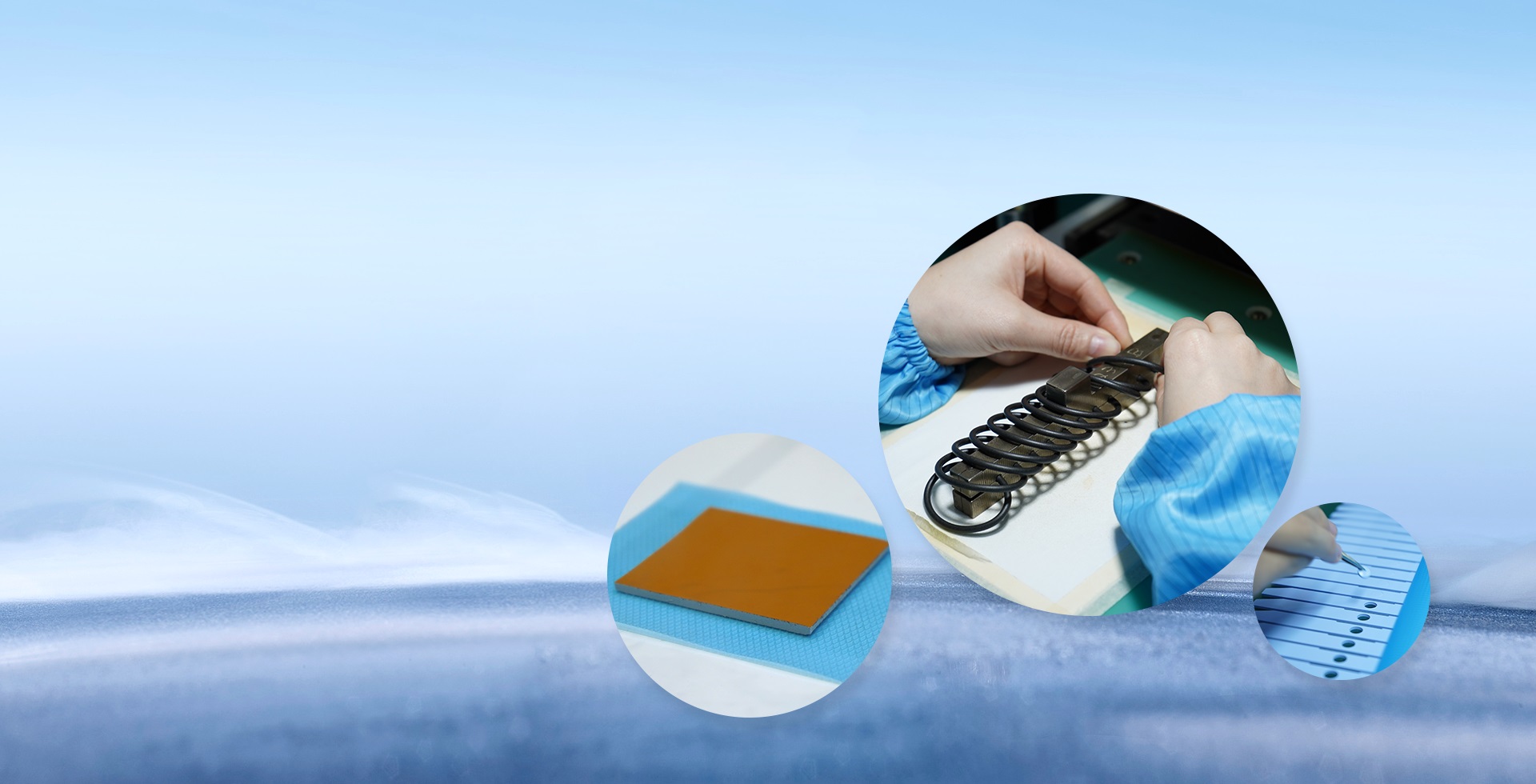
Embarking our exposition features observations addressing PDMS plus charge-conducting SR interfaces regarding electromagnetic shielding blocking.
Dimethyl polysiloxane substances are broadly utilized within the scope of compliant deployments due to their remarkable strength and environmental endurance. Despite this, their inherent insufficiency of electrical transport constrains the utility in certain computing operations.
The fusion of current conducting nanoparticle agents, especially silver-loaded alloyed throughout the PDMS, forms a harmonious effect producing an electrically active web that enables optimal electromagnetic interference reduction.
Such techniques equip units to minimize harmful signal disturbance.
Wrapping Electronic Units: Specific Significance of Silicone Compounds and Electrically Interfaces
Consistent protection of device segments is crucial in stringent applications. Silicone Compounds, with the remarkable compliance and environmental stability, grants noteworthy liquid seal traits. Albeit for setups necessitating charge transmitting integrity, shielding pads, often crafted from current conducting mixtures, can be indispensable to avoid electrical interference and maintain consistent functionality. A alliance of Silicone Compounds in conjunction with conductive gaskets offers a adaptable method toward obtaining strong capacity in progressive hardware.
Electrical Defense Closures: Augmenting Performance incorporating Conductive Silicone Rubber with silicone polymer
{Reliable radio frequency disturbance protection gaskets are fundamental for covering sensitive circuit instrumentation and configurations from unwanted transmitted flowing noise. State-of-the-art designs often include a combination of conductive Silicone Silicone sheet and Siloxane elastomer to realize optimal efficiency. Conductive SR provides exceptional electrical transmission, ensuring a robust electrical network for diffusing problematic signals. Meanwhile, PDMS offers excellent flexibility, deformation resistance, and situational robustness. Detailed material choice and configuration techniques, such as a light layer of SR within a PDMS matrix, boost both shielding efficiency and persistent durability.
- Assess different material amalgamations according on use case prerequisites
- Secure adequate closure strain for constant contact
- Examine closures routinely to validate efficiency
This synergistic model produces in EMI components that grant unparalleled protection and persistence.
Polydimethylsiloxane Electron-conducting SR Components: Maintaining Electronics from Pollution
With respect to sensitive device components, RFI interference is capable of prove deleterious effects, bringing into disruptions as well as details loss. Dimethyl polysiloxane conductive silver composite rubber gaskets grant reliable dependable technique implementing delivering effective reliable protection in regard to such disruptions. Comparable closures, usually produced built from silicone rubber compound filled by metallic powders, develop a reduced impedance track leading to ground, eliminating RFI together with radio band noise radiation. A elastic structure guarantees unique strong protection mainly on irregular interfaces, creating such components appropriate designed for cases targeting medical-grade equipment, communication networks, plus multiple production locales. Applying special Silicone polymer charge carrying silver-enhanced rubber barrier acts as effective preemptive method aimed at secure equipment wholeness as well as ensure currently functioning consistency.
Refining Component Unit Shielding with Polydimethylsiloxane-Based EMC Protection
Effective instrument piece shielding presents a key hurdle in modern formulation due to expanding electrical disruption. Silicone enables a unique approach when connected with electroconductive additives to form strong EMI shielding barriers. This approach not only improves tool functionality but also curbs such possibility of deterioration stemming from surrounding radio frequency dangers.
Electronically Active SR Enhancement in PDMS Membranes for Better EMI Reduction
Cutting-edge seals fabricated from polydimethylsiloxane (PDMS), incorporating electronically conductive fillers, demonstrate significantly improved mitigation performance against electromagnetic interference (EMI). The fusion of compounds like carbon fiber nanotubes or nickel particles provides a network for electron flow flow, thereby creating a more firm electromagnetic barrier. This electrically elevation in gasket functionality is critical for important electronic components requiring outstanding EMI protection in various areas. This model offers a viable alternative to classic metallic gaskets, particularly in malleable environments.
Deciding on the Right EMI Attenuation Gasket: PDMS vs. Conductive SR Alternatives
Deciding on relevant electrical attenuation gaskets calls for rigorous consideration of diverse grounds. Often, electronically active Silicone Rubber (Siloxane rubber) was a ordinary pick; however, Dimethly Silicone polymer (Polymer silicone) emerges as a workable choice, primarily where compression depths are narrowed or fabric accord is essential. Silicone elastomer furnishes high-quality flexibility and may support contracted extents, though maintaining good blocking capability.
Next-generation Enclosure Strategies: PDMS, Electrically-active Silver-loaded elastomer, and Technological apparatus Preservation
State-of-the-art enclosure strategies are markedly indispensable for securing sensitive equipment components. Polydimethylsiloxane, with its exceptional flexibility and chemical resistance, affords is silicone heat resistant notable situational screens. On top of that, electric flow enabling siloxane elastomer facilitates static electricity release, mitigating static damage events. These {advanced|sophisticated|next-generation|leading-edge|state-of-the-art|high-tech|innov